403-519-1890


- Oct 30, 2025 |
- Ergonomics Blog, Posture, Repetitive Strain Injury
Don’t Let Fall Injuries Catch You Off Guard – Simple steps to stay safe, healthy, and injury-free at work and at home this fall
As the vibrant colors of fall emerge and temperatures dip, many of us embrace the season’s activities—raking leaves, preparing our homes for winter, and adjusting our work routines. However, these changes can also introduce new risks to our health and safety. Here are four critical areas to focus on this autumn to ensure you stay safe and comfortable, both at work and at home.
1. Prevent Slips, Trips, and Falls
Autumn’s wet leaves, early frost, and changing weather conditions increase the likelihood of slips and falls.
- At Work: According to the Canadian Centre for Occupational Health and Safety (CCOHS), over 44,000 Canadian workers are injured annually due to fall accidents, with the majority (67%) occurring on the same level from slips and trips.
- At Home: The Canadian Institute for Health Information (CIHI) reported 162,222 unintentional slip-and-fall injuries in 2020–2021, representing nearly two-thirds (59.5%) of all injury hospitalizations and emergency room visits for that year.
- Leaves on the ground become slippery when wet and they can hide black ice or other obstacles that can contribute to slips. Being more attentive to how you move is important now. It is also darker in the mornings and evenings, which can make it more difficult to see hazards on the ground.
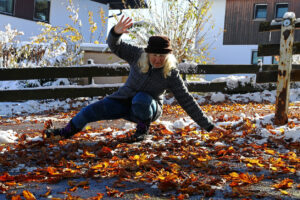
Prevention Tips:
- Keep walkways clear of leaves and debris.
- Use anti-slip mats in entryways.
- Wear footwear with good traction.
- Ensure proper lighting in outdoor areas.
- Be mindful of how you move, especially in lower light or slippery areas.
2. Mind Your Lifting and Yard Work
Musculoskeletal disorders (MSDs) account for about 30% of all workplace injuries. Lifting injuries aren’t just a “workplace” problem—they happen at home too, especially during heavy yard work. Autumn chores like raking, bagging leaves, pulling out dead plants, moving firewood, and preparing gardens are essential—but they can put a lot of strain on your back, shoulders, and wrists if done incorrectly. Many injuries at home occur because people lift too much at once, twist while handling loads, or perform repetitive movements for long periods. Applying proper techniques protects your back and joints while staying active outdoors.
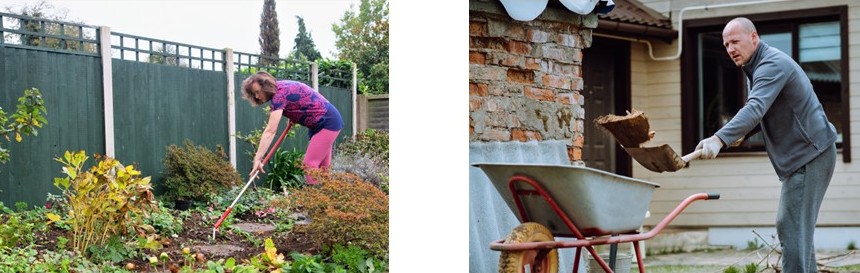
Why Raking and Cutting Back Dead Plants Can Be Risky:
Raking involves repetitive motion and often repetitive twisting and bending, which can strain the lower back and shoulders. Cutting back or pulling out dead plants can do the same thing. Twisting your torso while reaching for leaves or tossing them into piles puts uneven pressure on your spine, increasing the risk of injury over time.
Safe Yard Work Strategies:
- Take Care of your Back: When you bend down or forward, bend at your hips, bend your knees and keep the natural curve in your back. Hold loads close to your body. Don’t throw your rake out too far and have to pull it back. Work in small sections and make smaller piles. Avoid twisting as much as you can.
- Rake smart: Instead of creating one large pile, rake leaves into smaller, manageable piles. This reduces strain and makes it easier to bag or move them.
- Use tools wisely: Use a leaf blower if available to blow leaves together and then just rake them into piles. Ergonomic rakes with longer handles reduce bending and shoulder strain.
- Mulch instead of rake: If possible, use a lawnmower with a mulching function to shred leaves directly into the lawn. This reduces manual labor and returns nutrients to your grass.
- Take breaks: Alternate tasks and rest frequently to avoid overworking the same muscle groups. Hydrate and stretch your muscles, specifically your back, glutes, and shoulders to prevent fatigue. Click here for a stretching sheet you can use for stretching stiff muscles.
3. Adjust to Changing Work Conditions
For outside workers, autumn often means cooler mornings, wet conditions, and shorter daylight hours.
- Visibility: Shorter days and early darkness reduce visibility, increasing the risk of accidents.
- Temperature: Cold temperatures can lead to muscle stiffness and higher risk of strains.
Safety Measures:
- Layer clothing for warmth without restricting movement.
- Use high-visibility gear.
- Take extra care on uneven or wet ground.
- Maintain good posture even in jackets or bulky clothing.
4. Manage Fatigue and Pay Attention to Daylight Changes
The transition into autumn and daylight-saving time can disrupt sleep patterns, leading to fatigue. Fatigue is a significant risk factor for accidents, both at work and during home activities. Research indicates that workplace injuries increase by approximately 6% in the days following daylight-saving time due to fatigue. Pedestrian injuries increase following the switch back to standard time. In Canada, around the fall change, a study found that the average number of pedestrian injuries in the week before the change was ~46.8, vs ~57.5 in the week after — showing a notable increase in pedestrian injuries following the time change. Global News. Another analysis noted that when clocks go back, fewer daylight hours in the evening commute contribute to increased risk to pedestrians (darkness + fatigue + lower visibility). OSG+1 Finally, on the broader health front, disruptions to sleep / circadian rhythms around time changes have been associated with increased risk of cardiovascular events, fatigue and impaired alertness.

Fatigue Management Strategies:
- Maintain a consistent sleep schedule.
- Avoid caffeine and heavy meals before bedtime.
- Create a restful sleep environment. Cooler and darker environments promote better sleep. Darker curtains, wearing an eye mask, opening windows can all help.
- Take short naps if needed during the day.
- Minimize the amount of screen time (exciting light) right before bed.
Additional Tips: Listen to your body and adjust workloads if you feel extra tired, and plan yard or home projects during daylight hours to reduce strain and accident risk.
Conclusion:
Autumn brings both beauty and challenges. By staying aware of seasonal risks and implementing these safety and ergonomic practices, you can enjoy the season without compromising your health. A little preparation goes a long way in preventing injuries and maintaining well-being.
Anderson Ergonomics has over 35 years of experience helping organizations and individuals stay safe and healthy. Whether it’s workplace assessments or personal ergonomics advice, we’re here to help you move safely through every season.
The Simple Tech Tip That Helps Reduce Hand and Wrist Strain
Related Post

- Apr 12, 2026
Are Multiple Monitors Causing More Harm Than Good?
- Jan 12, 2026